Good metaphors should be doorways, not cages
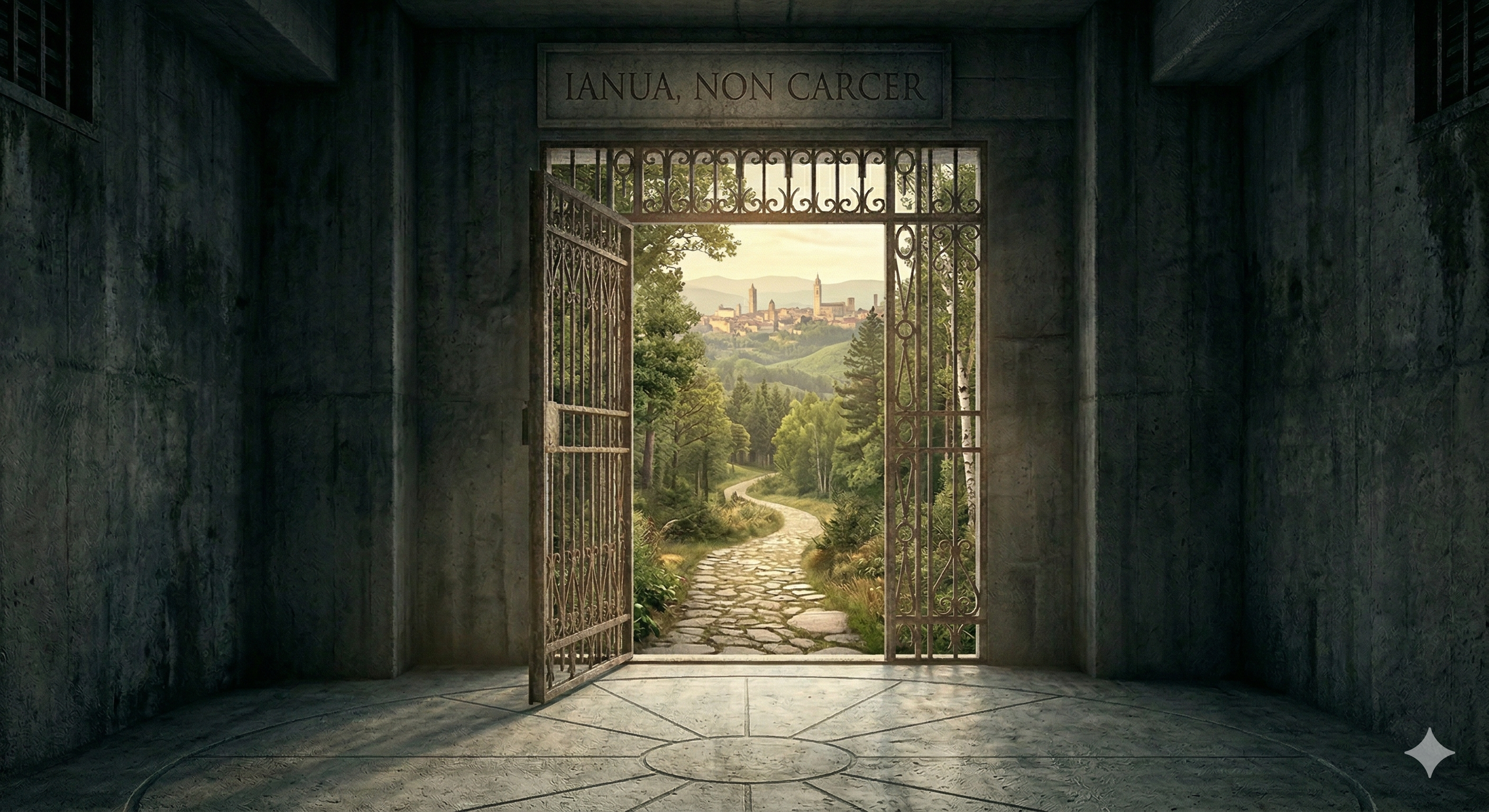
Image created using Nano Banana 2 and ChatGPT
The other day, while scrolling LinkedIn, I encountered two leadership posts built on metaphor.
The first divided employees into “fish” and “chickens.” The fish were steady and dependable; the chickens were energetic and disruptive. The takeaway was simple: wise leaders value both species.
The second imagined a captain who replaced his rowers with an engine. The engine was faster and cheaper, but it couldn’t “know” the rocks or sense a shifting current. The takeaway there was also familiar: work isn’t just task execution; it is judgment, memory, and care.
My initial reaction was simple: one metaphor was weaker than the other.
The fish-and-chickens post felt reductive. It turned people into static types. The captain-and-engine post was stronger because it pointed toward a real tension: the difference between mechanical output and human situational awareness.
But the more I sat with the tension between those two images, the more I realized they were pressing on a deeper problem.
The real risk isn’t metaphor.
The real risk is reduction.
The Comfort of the Clean and Clear Binary
We reduce because complexity is heavy. We simplify because ambiguity is exhausting. The world feels more manageable once it is quickly legible, once people can be sorted into types, systems into lessons, and tensions into clean little binaries.
Metaphor can be one of the tools we use to resist that tendency. At its best, it lets us hold complexity in image form. It gives shape to what might otherwise feel too diffuse to grasp. But too often, it becomes the tool we use to feed our hunger for simplification.
A weak metaphor gives us the pleasure of recognition without the burden of understanding. It gives oversimplification the glow of insight.
I don’t mean this only as a critique of others. I mean it as a confession.
I know the appeal of a sharp image that makes a messy situation feel organized. I know the relief of a phrase that seems to gather scattered experience into one clean frame. For a moment, it feels like clarity.
But clarity that comes too cheaply is usually just reduction in elegant language.
The Bradbury Standard: Instinct and Craft
This is why I keep coming back to author Ray Bradbury as I study how we can communicate more effectively.
Bradbury understood something modern leadership writing often forgets: metaphor is not a shortcut around thought; it is a way into it. At its best, metaphor does not tidy reality into something instantly manageable. It gives us a way to enter what is otherwise difficult to name.
Much writing instruction treats metaphor as something engineered, a calculated comparison, carefully assembled for effect. Bradbury reminds us that some of the strongest metaphors arrive before we can fully explain them. They emerge with force. They feel discovered rather than manufactured. They seem less like rhetorical devices than like buried images rising to the surface.
That is part of what gives them life.
The Mechanical Hound in Fahrenheit 451 isn’t just a gadget. It turns surveillance and enforcement into something intimate, mobile, and terrifying. It is not merely an illustration of state power; it feels like state power given teeth, scent, and velocity. In “There Will Come Soft Rains,” the automated house is not simply futuristic convenience. It becomes a vision of function without presence, routine without care, continuity after the human center has vanished. Bradbury’s images endure because they do not merely decorate a point. They generate the emotional and moral world of the story.
That is why I think the real contrast is not between instinct and discipline.
It is between stages.
Metaphor may be born in instinct, but it earns its place in leadership through judgment.
The Re-frame Test
In my work, I’ve come to believe that once a powerful image arrives, the real work begins. We have to pressure test it. We have to ask whether it clarifies reality or merely distorts reality into a form that flatters our narrative.
That is especially vital in leadership.
A novelist can let an image remain haunting, excessive, or unresolved. A leader has less room for leaving a metaphor unresolved, because the image is not just aesthetic. It is operational. A metaphor in a novel can linger in the imagination. A metaphor in a reorg memo can shape morale, trust, and who feels seen versus who feels misread.
That is why leadership metaphors deserve more scrutiny than they usually get.
The Fish and the Chickens
This one failed because it shifted from the work to the identity. It invited the leader to imagine people as neat little species rather than complex human beings responding to a specific role, context, or moment. It made the conversation simpler, but not wiser.
The Captain and the Engine
This one succeeded, at least initially, because it pointed toward hidden work, the sensing, remembering, adjusting, and noticing that dashboards often miss. It named something real. Yet even this image needs testing. Does it quietly frame the problem as human versus machine when the more truthful question is how leaders integrate tools, judgment, and accountability without confusing one for the other?
Even a strong metaphor becomes reductive if we stop examining it the moment it feels true.
The Discipline of Public Metaphor
In leadership, a metaphor should clarify the work, not classify the worker. It should describe functions, trade-offs, relationships, and tensions rather than fixed identities.
Of course, leadership always involves some simplification. No leader can communicate everything at once. The problem is not simplification itself. The problem is simplification that arrives too early or distorts what matters most.
The image may arrive with energy. Let it. But before it enters your public language, it should pass a second test:
Is it true enough?
Is it fair enough?
Does it preserve complexity where complexity matters?
Does it help people act without caricaturing them?
Does it open understanding, or merely accelerate judgment?
The best metaphors are not cages; they are doorways. They do not trap a person in a type or a system in a slogan. They open a line of sight. They let us see the tension and ask us to think longer.
That is the discipline. To remain answerable to reality even after a “perfect” metaphor arrives.
Before you hit send on that next visionary message, ask the simplest question of all:
Does this image help me see more, or does it merely let me judge faster?