Part 2: What GM Taught Me About People (Not Just Cars)
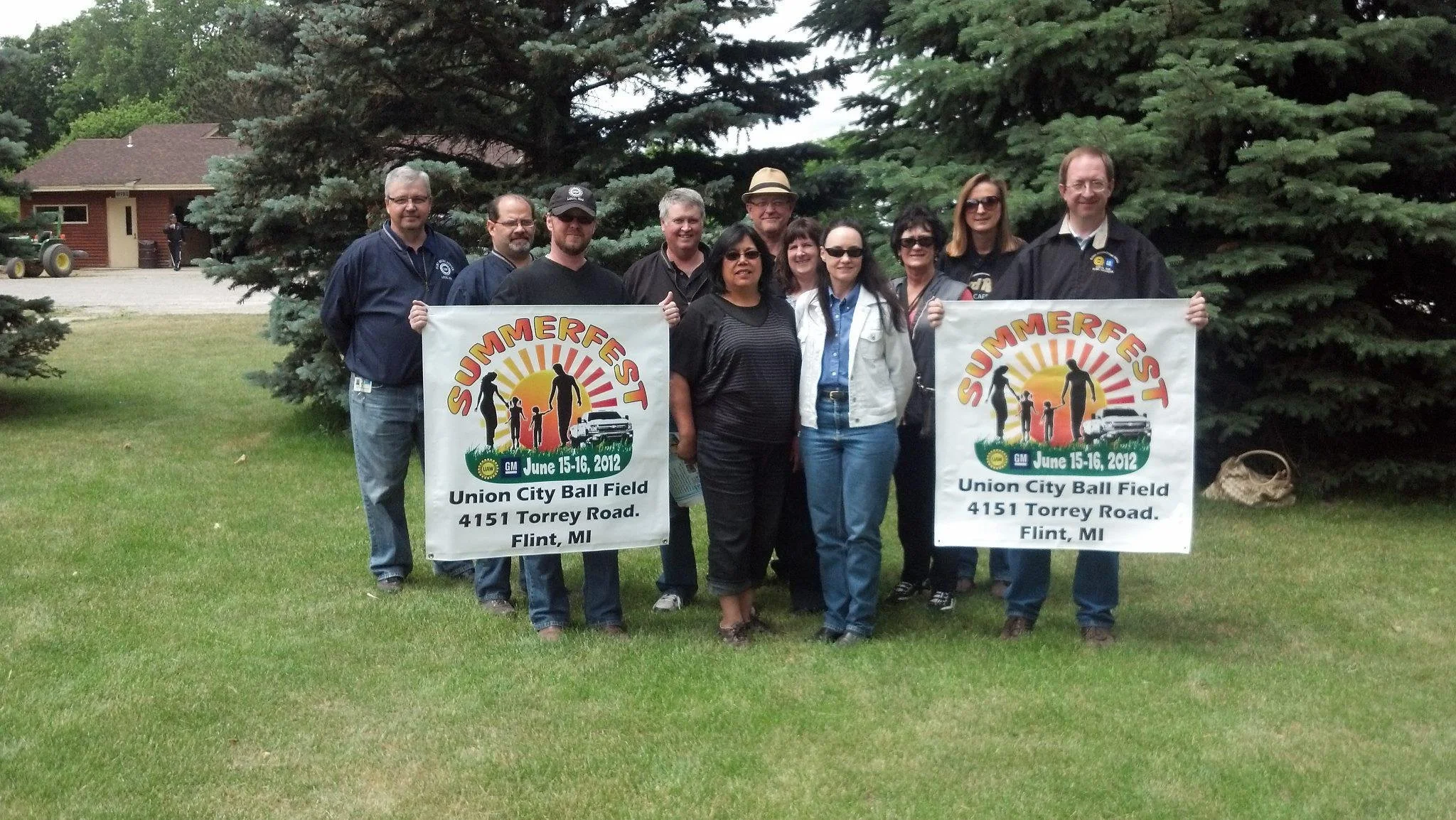
Summerfest 2012: One of the many activities I was able to support - with this great team - during my time in Flint.
Quick note I should’ve included in Part 1: this series is all about my 25 years at GM. It’s not meant to gloss over my years in journalism or the time I spent on the agency side supporting GM. Those chapters mattered and shaped me in big ways. I just want to keep this series focused on the GM part of the journey. I’ll get to the rest another time.
When you tell someone you have spent 25 years at an automaker, they usually assume your education was vehicles.
Design. Performance. Quality. Innovation.
I learned plenty about those things by proximity to countless gearheads and engineers.
But the deeper education was not about cars.
It was about people.
Because no matter how advanced the product becomes, the work is still human. Hands, judgment, pride, fear, teamwork. Meaning.
Here are four lessons GM has taught me about people that I did not fully understand when I walked in the door.
Pride is a fuel source
I used to think pride was a personality trait. Some people have it, others do not.
That is not what I have seen.
Pride shows up when people believe the work matters, when the standard is real, and when quality is not a slogan. It lives in details no one applauds. The alignment you only notice when it is wrong. The verification step someone repeats because they would rather be 100 percent certain than be sorry.
In intense moments, pride is not ego. It is accountability.
It can also turn into defensiveness if a system punishes bad news, so leaders have to protect truth-telling. Pride needs honesty to stay healthy.
Belonging is not a soft thing
Belonging can sound like something you put on a poster.
In real work, belonging is operational.
It shapes whether people speak up early or stay silent until it is too late. It decides whether a new idea gets oxygen or gets smothered by eye rolls. It determines whether problems surface as signals or get buried as sarcasm.
I have watched belonging form in real time. It happens when leaders listen without punishing candor. When questions are treated as contribution, not weakness. When people are respected not just as workers, but as professionals with judgment.
Belonging is one of the strongest performance multipliers I have seen.
Fear of change is often fear of being vulnerable
Every organization talks about transformation. New systems, new tools, new expectations.
What we miss is the emotional math people do when change shows up at their desk.
Sometimes resistance is stubbornness. More often, it is risk.
Will I be able to do my job?
Will I lose status?
Will I be exposed?
Will I be expected to pretend I understand something I do not?
I have watched highly capable people hesitate, not because they cannot learn, but because learning in public can feel like vulnerability.
If you want change to stick, you cannot just sell the benefits. You have to make it safe to be new. Reduce the social cost of asking questions. Treat learning as part of the job, not a side quest.
That has been a truism long before AI upset our professional lives.
Quiet heroism is everywhere
The most impressive work I have seen often does not come with a spotlight.
It is the plant floor team that catches something subtle before it becomes a bigger problem.
It is the engineer who stays late to chase a root cause because “good enough” is not acceptable.
It is the cross-functional partner who picks up the phone to solve, not to complain.
It is the leader who absorbs pressure from above so the team can focus below.
There is a particular kind of heroism in complex work. It is not dramatic. It is disciplined, patient, relentless.
You cannot fake that culture. You build it one decision at a time, over years.
The real takeaway after 25 years
If I zoom out, the pattern is clear.
People do not commit to companies in the abstract. They commit to meaning.
They commit to teams that respect them.
They commit to standards that feel real.
They commit when they believe their work matters to someone beyond the org chart.
The human side of the enterprise is not separate from performance. It is the foundation of it.
So yes, I have learned a lot about cars.
But what GM taught me about people is what I will carry forward for the rest of my life.
Question: What has your company taught you about people that you did not learn in school?